

Bubble Football Rules (Complete Beginner Guide)
May 14, 2026
Bubble Football Cost in the UK
May 19, 2026
In This Guide
Bubble football has become hugely popular for stag dos, birthday parties, school events, and team-building activities across the UK. Players wear giant inflatable bubbles and crash into each other while trying to play football, turning every match into a mix of chaos and laughter.
But despite how intense it looks, bubble football is generally considered a safe activity when games are supervised properly and players follow basic safety rules. Quality equipment and suitable playing surfaces help reduce the risk of serious injuries.
Like any physical activity, minor bumps, falls, and muscle soreness can still happen — especially during competitive games.
Here’s what players should know about bubble football injuries, safety rules, and how to stay safe during games.
What Is Bubble Football?
Bubble football (or bubble soccer) is a fun variation of football where players wear large inflatable bubbles that cover the upper body and head, allowing them to safely bump, bounce, and collide while playing. It combines sport, laughter, and light physical activity, making it popular for parties, team-building events, school activities, stag and hen dos, and other group events on indoor or outdoor pitches.
Is Bubble Football Safe?
Yes, bubble football is generally safe when:
- Players follow bubble football safety rules
- The activity is supervised
- Quality inflatable bubbles are used
- Players avoid reckless behaviour
- Sessions include breaks and warm-ups
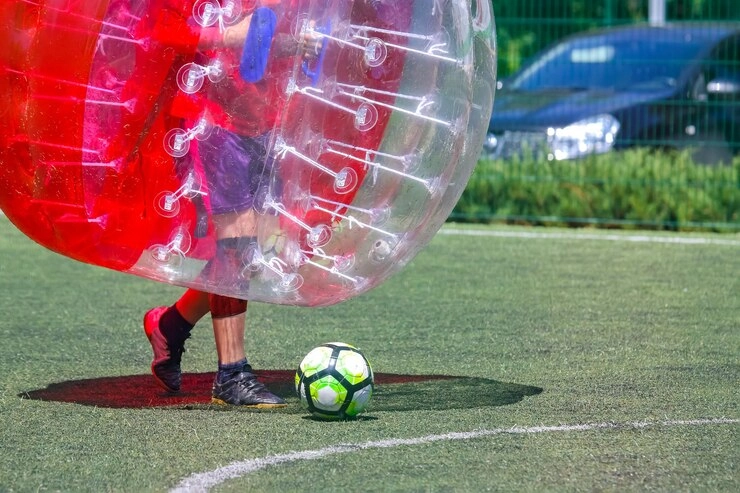
The inflatable bubble acts like a cushion or airbag around the upper body, helping reduce the force of collisions.
bubble football injuries can still happen, especially if players ignore rules or overexert themselves.
Common Risks in Bubble Football
Although bubble soccer is generally safe, players can still suffer minor injuries, such as the ones listed below:
Falls and Loss of Balance
Because players wear large inflatable bubbles, balance can feel unusual at first. Beginners often trip, wobble, or roll over while running or turning quickly.
Most falls are harmless thanks to the inflatable cushioning, although awkward landings may still cause minor bruises or strains.
Safety Tip:
Allow new players a few minutes to get comfortable moving in the bubbles before starting competitive matches. Beginning with warm-up games and slower-paced activities can help players adjust to the balance, movement, and physical feel of bubble football safely.
Collisions & Impact
Collisions are one of the biggest attractions in bubble football and a huge part of what makes the game so entertaining. The inflatable bubbles are designed to absorb most of the impact, allowing players to safely bounce off one another while keeping the game fun and light-hearted. However, despite the added protection, hard or uncontrolled collisions can still sometimes cause discomfort or minor injuries.
Some of the most common bubble soccer risks include players running at excessive speed, unexpected impacts from blind angles, or several players crashing into each other at the same time. While serious injuries are uncommon, reckless play can increase the chances of bumps, strains, or falls.
To keep the game enjoyable and safe for everyone, it’s important that players stay aware of their surroundings and follow the organiser’s safety rules throughout the session.
Safety Tip:
Players should never deliberately target someone who is unprepared, off-balance, or already on the ground. Controlled contact and respectful gameplay help reduce injuries and ensure everyone has a fun experience.
Neck and Back Strain
Although bubble football is designed for fun, the inflatable suit does add extra weight and resistance while players move around the pitch. After repeated bouncing, falling, and collisions, some participants may experience mild soreness or strain in areas such as the neck, shoulders, or lower back — especially during longer sessions or high-energy games.
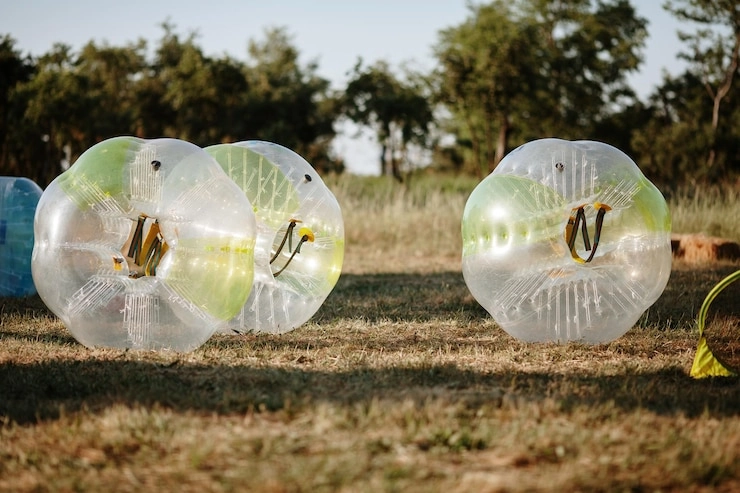
In most cases, this discomfort is temporary and similar to the muscle fatigue you might feel after any physical activity. However, the risk of strain can increase when bubbles are the wrong size, worn incorrectly, or used for extended periods without rest. Poorly fitted equipment may also restrict movement or place unnecessary pressure on the upper body during play.
To ensure a safer and more comfortable experience, players should always use well-maintained equipment that fits correctly and allows for proper movement and visibility.
Safety Tip:
Make sure every player is using a correctly fitted bubble and follows the organiser’s instructions on how to wear it safely. Regular breaks between games also help reduce fatigue, prevent strain, and keep players comfortable throughout the session.
Overheating and Fatigue
Bubble football can be far more physically demanding than many people expect. Running, bouncing, and constantly moving while wearing a large inflatable bubble requires extra energy, and the suit itself can quickly trap heat during intense games. As a result, players often begin sweating heavily after only a short period of play, especially during warm weather or fast-paced matches.
As fatigue sets in, players may react more slowly, lose balance more easily, and become more prone to falls or accidental collisions. Tired players are also more likely to make mistakes that can lead to minor bubble soccer injuries or accidents during the game.
That’s why managing energy levels and staying hydrated is an important part of playing bubble football safely, particularly during longer events or tournaments with multiple rounds.
Safety Tip:
Encourage players to drink water regularly and avoid overly long game sessions without breaks. Shorter match rounds with recovery time in between help reduce fatigue, improve safety, and keep the experience enjoyable for everyone involved.
Most Common Bubble Football Injuries
Most bubble football injuries tend to be minor rather than serious, especially when games are organised professionally and proper safety rules are followed. Because the inflatable bubbles absorb much of the impact during collisions and falls, players are generally protected from the heavier contact you might experience in traditional sports.
That said, bubble football is still a physical activity, and players can occasionally experience minor aches, bumps, or strains during energetic games. Some of the most common bubble football injuries include:
- Bruises and minor bumps
- Muscle soreness after play
- Mild sprains or strains
- Wrist strain from falling awkwardly
- Knee scrapes on certain surfaces
- Neck stiffness from repeated bouncing
- Fatigue-related muscle cramps
- Light dizziness or overheating during intense sessions
In most cases, these injuries are temporary and manageable with rest, hydration, and proper recovery. Serious injuries are relatively rare, particularly when experienced organisers use high-quality equipment, suitable playing surfaces, and enforce clear safety procedures throughout the session.
Bubble Football Safety Rules You Must Follow
Following proper bubble soccer safety rules dramatically reduces risk:
| Safety Rule | Why It Matters |
| Wear the bubble correctly | Protects head and upper body |
| Play on approved surfaces | Reduces slipping and impact injuries |
| No head-first charging | Prevents neck strain |
| Avoid hitting fallen players | Reduces accidental injuries |
| Stay hydrated | Prevents overheating |
| Take regular breaks | Reduces fatigue |
| Listen to supervisors | Ensures safer gameplay |
| Use correct bubble sizes | Improves balance and protection |
Professional organisers such as Bubble Games use supervised setups and suitable venues to help create safer experiences.
How Bubble Equipment Improves Safety
One of the main reasons bubble football is far safer than it first appears is the design of the inflatable bubbles themselves. Although the game looks chaotic from the outside, modern bubble football equipment is specifically built to reduce impact and protect players during collisions, falls, and accidental bumps on the pitch.
High-quality bubble football equipment includes several important safety features designed to improve comfort, balance, and protection throughout the game. These typically include:
- Thick inflatable air cushions to absorb impact
- Adjustable shoulder straps for a secure fit
- Internal handles to improve stability and control
- Protection for the head, shoulders, and upper body
- Strong TPU or PVC materials for durability
- Shock absorption technology during collisions and falls
The inflatable bubble works in a similar way to protective padding used in contact sports, helping to spread force across a larger surface area rather than concentrating impact directly on the body.
This significantly reduces the risk of heavy contact injuries while still allowing players to enjoy the fun and physical nature of the game. Using well-maintained, professional-grade equipment also helps minimise common risks by reducing:
- Direct body-to-body contact
- Heavy or awkward falls
- High-impact collisions
- Pressure on the upper body and shoulders
For the safest possible experience, it’s always important to choose a professional bubble football provider that regularly checks and maintains its equipment to a high standard.
Who Should NOT Play Bubble Football?
Although bubble football is suitable for many people, some individuals should avoid playing. Bubble football may not be suitable for:
- Pregnant individuals
- People with serious back or neck problems
- Anyone with recent injuries
- Individuals with heart or breathing conditions
- People with severe balance issues
- Anyone under the influence of alcohol
Players should always inform organisers about medical conditions before participating.
Is Bubble Football Safe for Kids?
Yes, bubble football can absolutely be safe for children when sessions are organised properly and run by experienced providers. In fact, many schools, youth groups, and birthday parties across the UK regularly book bubble football because it offers a fun, active experience with controlled physical contact and plenty of laughter.
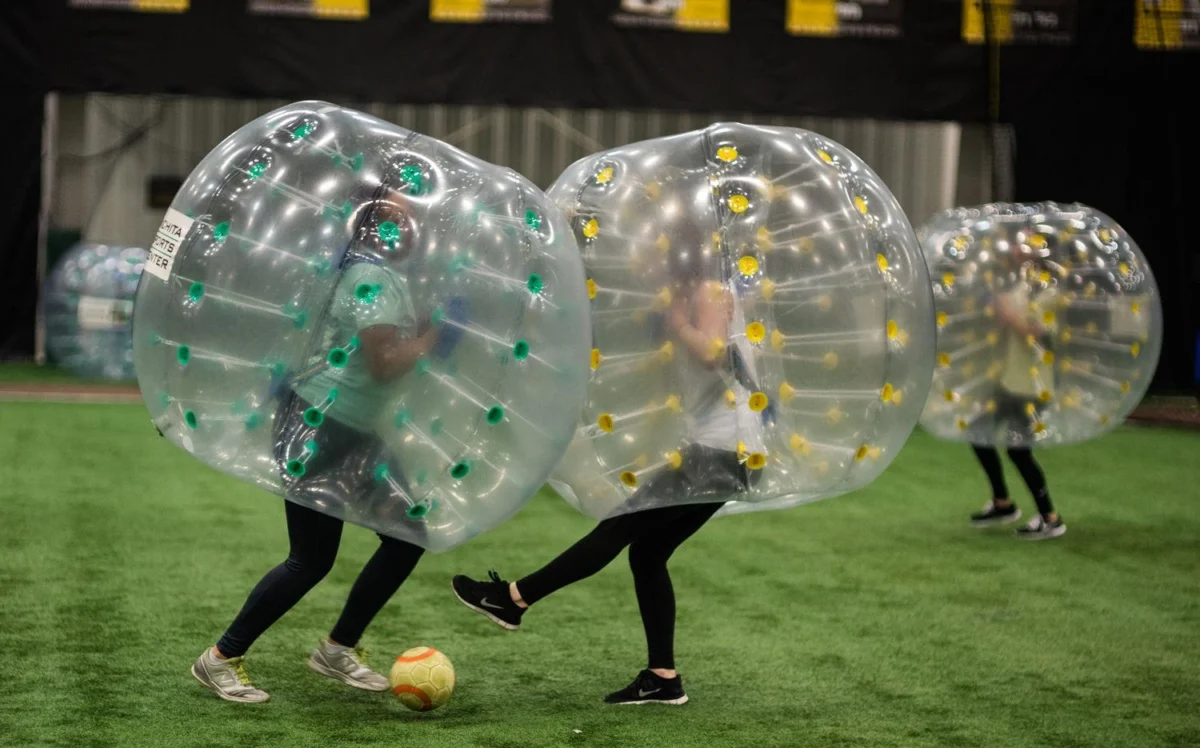
Many professional organisers provide bubble football sessions specifically designed for children by adapting the equipment and gameplay to suit younger age groups. These kid-friendly sessions often include:
- Smaller and lighter inflatable bubbles
- Softer, less aggressive gameplay rules
- Age-appropriate supervision and coaching
- Shorter match times to reduce fatigue
- Structured games focused on fun rather than competition
Kids usually enjoy bubble football because falling over and bouncing into friends becomes part of the game. The bubbles also help soften collisions, making the game feel less intimidating than traditional contact sports. safety still depends heavily on proper supervision, suitable equipment, and clear rules during play. Parents and organisers should always make sure that:
- Sessions are supervised by responsible adults or trained staff
- Each child is using correctly fitted equipment
- Players understand the basic safety rules before starting
- The playing surface is soft, clean, and suitable for bubble football
- Children take regular breaks and stay hydrated throughout the session
When managed correctly, bubble football can be a safe, exciting, and memorable activity for kids of many different ages and ability levels.
Tips to Stay Safe While Playing
If you’re trying bubble football for the first time, following a few simple safety tips can make a huge difference to both your comfort and overall experience. While bubble football is designed to be fun and relatively safe, taking basic precautions helps reduce the risk of minor injuries, fatigue, and unnecessary accidents during play.
Whether you’re attending a birthday party, corporate event, stag do, or school session, these beginner-friendly bubble football safety tips will help you stay safe while still enjoying all the chaos and excitement of the game:
- Warm up properly before playing to loosen muscles and reduce strain
- Wear comfortable sports clothing that allows easy movement
- Use trainers or football boots with good grip for better balance
- Avoid reckless charging or overly aggressive collisions
- Stay hydrated throughout the session, especially during warm weather
- Take short breaks between rounds to avoid fatigue and overheating
- Always listen to the referee or event organiser’s instructions
- Stop playing immediately if you feel dizzy, uncomfortable, or short of breath
- Make sure your inflatable bubble fits securely and comfortably
- Play only on safe, flat, and well-maintained surfaces
Although these precautions may seem simple, they play a major role in improving bubble football safety and helping everyone enjoy the game without unnecessary risks. A well-organised session with sensible gameplay is usually the key to a safe, fun, and memorable bubble football experience.
Bubble Football vs Regular Football Safety
| Factor | Bubble Football | Regular Football |
| Upper body protection | High | Low |
| Direct body impact | Cushioned | Direct |
| Risk of slide tackles | Very low | Moderate |
| Risk of ankle injuries | Lower | Higher |
| Risk of falling | Moderate | Moderate |
| Physical intensity | Medium | High |
| Contact style | Bouncy collisions | Hard tackles |
| Serious injury rate | Generally low | Moderate |
In many cases, bubble football may actually reduce certain injuries commonly seen in regular football because players are protected by inflatable padding.
Why Bubble Football Is Safer Than You Think
At first glance, bubble football looks wild and dangerous. Players bounce, flip, and crash into each other constantly. But the inflatable bubbles are specifically designed to absorb force and reduce direct impact. Unlike traditional football, where players often collide shoulder-to-shoulder or fall without protection, bubble football adds a protective cushion around the upper body.
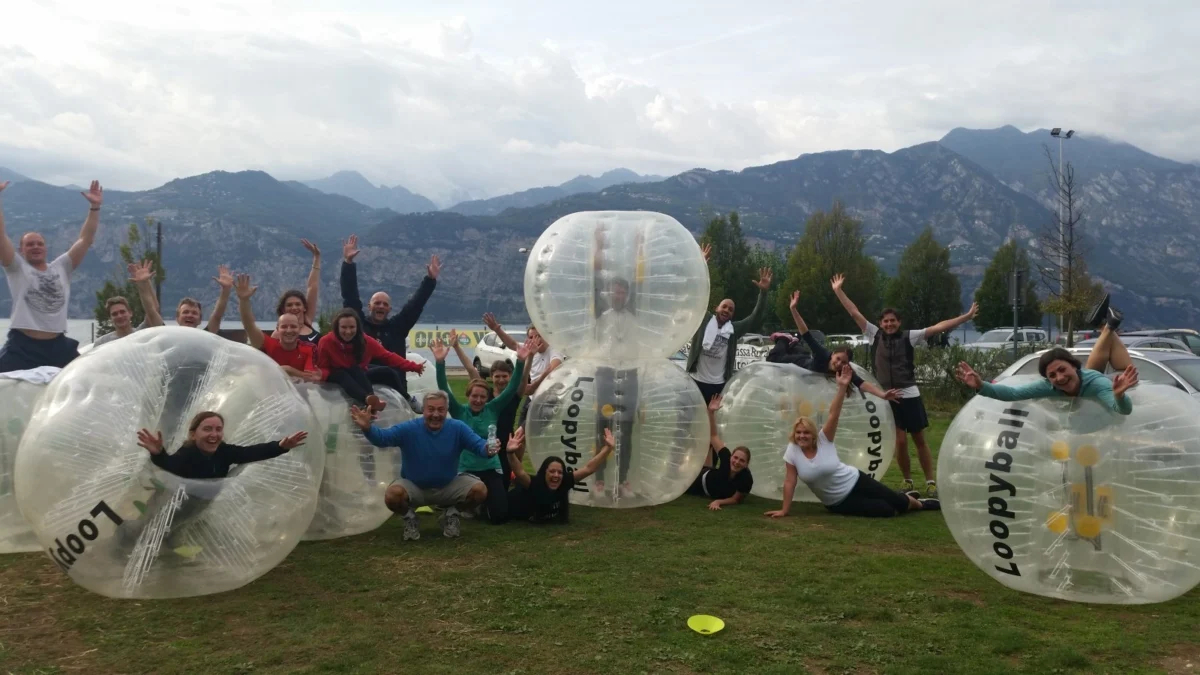
Most sessions are also supervised by experienced organisers who explain safety rules before games begin. Companies like Bubble Games provide organised events with safe playing surfaces and professional setups to help players enjoy the activity responsibly.
For most participants, the biggest danger is usually laughing too hard.
Safe bubble football in the UK
So, is bubble football safe?
Yes, Bubble football may look chaotic, but it’s generally a safe activity when organised properly. The inflatable bubbles help reduce direct impact, while supervised gameplay and suitable equipment lower the risk of serious injuries.
Like any physical activity, minor bumps and muscle soreness can happen, especially during energetic matches. Still, for most players, bubble football is more funny than dangerous.
Choosing a professional organiser, following safety rules, and taking regular breaks will help ensure a safer and more enjoyable experience for everyone involved.
FAQs about bubble football safety
Is bubble football dangerous?
Bubble football is generally not dangerous when played correctly with proper supervision and safety equipment.
Can you get injured playing bubble football?
Yes, minor injuries like bruises, muscle soreness, and sprains can happen, but serious injuries are uncommon.
Is bubble football safe for children?
Yes, many organisers offer kid-friendly bubble football sessions using smaller bubbles and supervised gameplay.
What are the rules to stay safe in bubble soccer?
Players should avoid reckless collisions, stay hydrated, wear properly fitted bubbles, and follow organiser instructions.
Do bubble suits actually protect you?
Yes, Bubble suits cushion impacts and help reduce direct body contact during collisions.
How risky is bubble football compared to normal football?
Bubble football often has lower risks of direct impact injuries because the inflatable bubble absorbs much of the collision force.